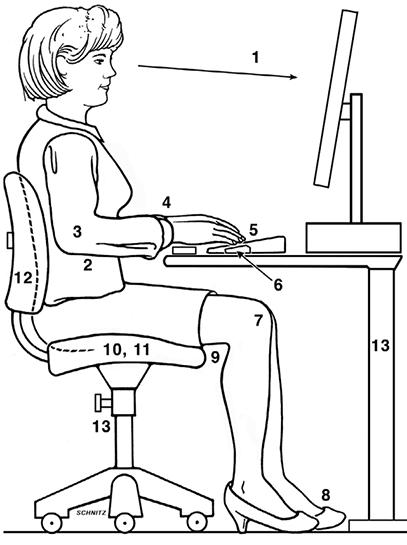
5 Essential Tips for Setting Up an Ergonomic Workspace
Creating an ergonomic workspace is crucial for enhancing comfort and productivity. Here are 5 essential tips to help you achieve the perfect setup:
- Chair Selection: Choose a chair that supports your lower back and encourages good posture. Look for adjustable features to suit your height and desk.
- Desk Height: Your desk should be at a height that allows your elbows to form a 90-degree angle when typing. This setup reduces strain on your wrists and arms.
- Monitor Placement: Position your monitor at eye level, approximately an arm's length away. This positioning helps prevent neck strain and encourages a more natural head posture.
- Keyboard and Mouse: Keep your keyboard and mouse close to your body. Use wrist supports if needed, and ensure that your wrists are straight while typing.
- Frequent Breaks: Take regular breaks to stretch and move. This practice helps alleviate tension and improves circulation, allowing you to stay focused and energized.
Counter-Strike is a popular first-person shooter game that emphasizes teamwork, strategy, and skill. Players can choose to play as either terrorists or counter-terrorists, engaging in intense matches that often require effective communication and coordination. For those looking to enhance their gaming experience, check out the Top 10 work from home accessories that can improve your setup and comfort while playing.
How Poor Ergonomics Can Impact Your Health and Productivity
Poor ergonomics in the workplace can significantly impact both your health and productivity. When office equipment is not suited to your body’s natural posture, it can lead to a variety of ergonomic issues, including muscle strain, back pain, and repetitive strain injuries. According to studies, individuals who work in poorly designed environments are more likely to experience discomfort and fatigue, which can decrease their ability to concentrate and perform tasks efficiently. A proper ergonomic setup, including an adjustable chair, keyboard, and monitor positioning, can help alleviate these issues and enhance overall well-being.
Moreover, the consequences of neglecting ergonomic principles extend beyond physical discomfort. Research shows that poor ergonomics can lead to increased stress levels, ultimately affecting your mental health and job satisfaction. For instance, workers may find it difficult to focus on tasks due to constant pain or discomfort, resulting in lower productivity and a higher likelihood of errors. To combat these issues, employers should consider implementing ergonomic assessments and training programs that educate staff on the importance of proper posture and equipment usage. By prioritizing ergonomics, not only can organizations protect their employees' health, but they can also enhance overall productivity.
Are You Sitting Right? The Best Posture Practices for Remote Workers
As remote work becomes increasingly common, maintaining the right posture while sitting is crucial for overall health. Poor posture can lead to a variety of issues, including back pain, neck strain, and even long-term spinal problems. To ensure you are sitting right, start by adjusting your chair to ensure your feet are flat on the floor and your knees are at a right angle. Consider using a chair with good lumbar support to help maintain the natural curve of your spine. A comfortable workstation setup can not only boost your productivity but also keep you pain-free.
Incorporating simple exercises and breaks into your routine can also greatly enhance your posture practices. Follow these tips to improve your sitting posture:
- Take short breaks every hour to stand, stretch, or take a quick walk.
- Keep your computer screen at eye level to avoid leaning forward.
- Use a footrest if needed, to keep your legs aligned.
- Engage in exercises that strengthen your core and back muscles.
By following these guidelines, you can create a healthier work environment that promotes better posture and reduces the risk of discomfort.