Understanding Ergonomics: How Comfortable Workspaces Enhance Employee Well-Being
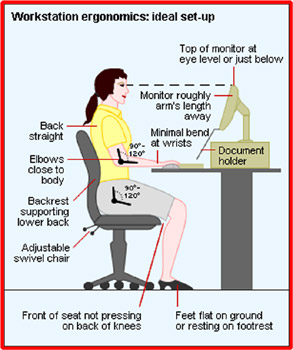
Understanding ergonomics is crucial for creating comfortable workspaces that significantly enhance employee well-being. Ergonomics is the science of designing a workspace that fits the individual needs of employees, leading to improved productivity and reduced physical stress. When an office environment prioritizes ergonomic principles, employees are less likely to experience discomfort and health issues, such as musculoskeletal disorders. As a result, they can focus on their tasks more efficiently, fostering a healthier and happier workplace atmosphere.
Moreover, comfortable workspaces not only boost physical health but also positively impact mental well-being. Research indicates that well-designed work environments can enhance employee morale and reduce stress levels. Key elements of ergonomic design may include the following:
- Adjustable furniture to accommodate different body types.
- Lighting that minimizes glare and promotes alertness.
- Break areas that encourage relaxation and social interaction.
Counter-Strike is a popular first-person shooter game that pits teams against each other in objective-based gameplay. Over the years, it has evolved significantly, influencing the esports scene and gaming culture. Players often look for the best equipment to enhance their gaming experience, so they can achieve top performance. If you're searching for inspiration on your own gaming environment, check out the Top 10 Desk Setup Trends to create the ultimate setup.
Top 5 Ergonomic Practices to Increase Happiness and Productivity at Work
Implementing ergonomic practices in the workplace can significantly boost both happiness and productivity among employees. Here are the top 5 ergonomic practices that companies can integrate:
- Proper Workstation Setup: Ensure that desks and chairs are adjustable and cater to the individual needs of each employee. This helps maintain a neutral posture, reducing strain and fatigue during work hours.
- Regular Breaks: Encourage employees to take short breaks every hour. Simple stretching or moving around can rejuvenate the mind and body, enhancing overall productivity.
- Ergonomic Equipment: Invest in ergonomic chairs, keyboards, and mice that promote comfort and reduce the risk of repetitive strain injuries (RSIs). This not only improves health but also boosts morale.
- Climate Control: Create a comfortable work environment by maintaining a pleasant temperature and adequate ventilation. A comfortable atmosphere can increase focus and job satisfaction.
- Work-Life Balance: Promote a culture that values work-life balance. Implement flexible scheduling or remote work options to help employees manage their personal and professional lives more effectively.
Adopting these ergonomic practices not only uplifts the physical well-being of employees but also creates a positive work culture. As organizations embrace these changes, they can expect not just an increase in productivity but also heightened employee happiness. When individuals feel valued and comfortable in their work environment, they are likely to show greater commitment and enthusiasm towards their tasks.
Is Your Workspace Making You Unhappy? Discover the Impact of Ergonomics on Employee Satisfaction
In today's fast-paced work environment, the design and layout of your workspace can significantly influence employee satisfaction. Poor ergonomics—such as an uncomfortable chair, an improperly positioned monitor, or inadequate lighting—can lead to physical discomfort and mental strain, detracting from overall job performance. Studies have shown that employees working in ergonomically optimized settings report higher levels of happiness and productivity. This highlights the critical question: Is your workspace making you unhappy?
To enhance workplace well-being, it's essential to implement ergonomic principles. Here are a few key adjustments that can positively impact employee morale:
- Invest in quality furniture: Comfort and support are paramount in a workspace.
- Ensure proper monitor height: Eye level positioning can prevent neck and back strain.
- Encourage movement: Promote regular breaks and standing desks to increase energy levels.