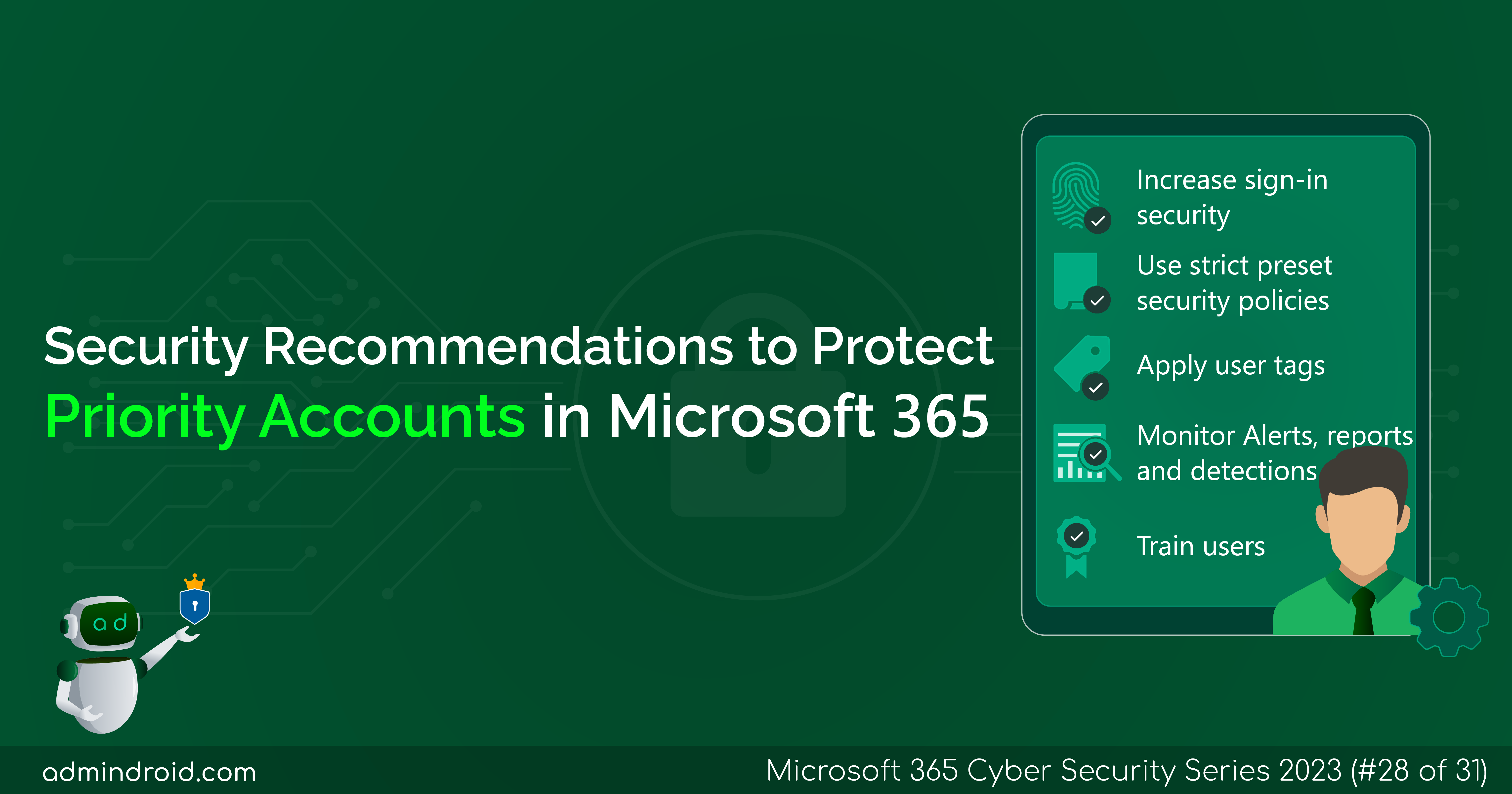
10 Essential Tips for Strengthening Your Online Security
In today's digital age, **strengthening your online security** is more important than ever. With increasing rates of cyberattacks, it's crucial to take proactive measures to protect your personal and financial information. Here are 10 essential tips that can help you enhance your online safety:
- Use strong, unique passwords for each of your accounts.
- Enable two-factor authentication wherever possible.
- Regularly update your software and devices to patch vulnerabilities.
- Be cautious of phishing scams by verifying the sender before clicking links.
- Secure your Wi-Fi network with a strong password and encryption.
In addition to the first five tips, consider the following strategies to further strengthen your online security:
- Limit personal information shared on social media.
- Backup your data regularly to avoid loss in case of a cyber incident.
- Use a reputable antivirus software to scan for malware.
- Be mindful of public Wi-Fi risks, avoiding sensitive transactions.
- Review your online accounts periodically to monitor for suspicious activity.
How to Choose the Right Password Manager for Your Needs
Choosing the right password manager is essential for maintaining online security. With countless options available, it's crucial to identify your specific needs before making a decision. Start by considering the following factors:
- User Interface: Look for an intuitive interface that suits your technical skill level.
- Security Features: Ensure the manager uses strong encryption methods and offers features like two-factor authentication.
- Cross-Platform Compatibility: Choose a password manager that seamlessly works across all of your devices, whether it's desktop or mobile.
Next, evaluate the pricing options available. Many password managers offer both free and premium versions, so assess what features are included in each tier. Additionally, read user reviews to gauge reliability and customer support quality. A few top-rated options to consider include LastPass, 1Password, and Bitwarden. Ultimately, the right choice will hinge on how well the password manager aligns with your personal preferences and security requirements.
Are You Safe Online? Common Myths About Cybersecurity Debunked
In today's digital world, many people assume that they are safe online simply because they have antivirus software or a firewall installed. Cybersecurity experts emphasize that this is just one piece of the puzzle. While these tools are essential, they are not foolproof solutions. Many users still fall for phishing scams or use weak passwords, leaving their sensitive information vulnerable. It's crucial to adopt a holistic approach to online safety, which includes using strong passwords, enabling two-factor authentication, and being cautious about sharing personal information on social media.
Another common myth is that cybersecurity threats are only a concern for large corporations or tech-savvy individuals. In reality, anyone can be a target, regardless of their technical expertise. Cybercriminals often exploit unsuspecting individuals, such as those who are less aware of potential risks. As such, it's vital for everyone to educate themselves about the basics of online safety, from recognizing fraudulent emails to understanding the importance of regular software updates. By debunking these myths and taking proactive measures, you can significantly reduce the risks associated with your online activities.