Understanding Ergonomics: The Key Principles for a Healthier Workspace
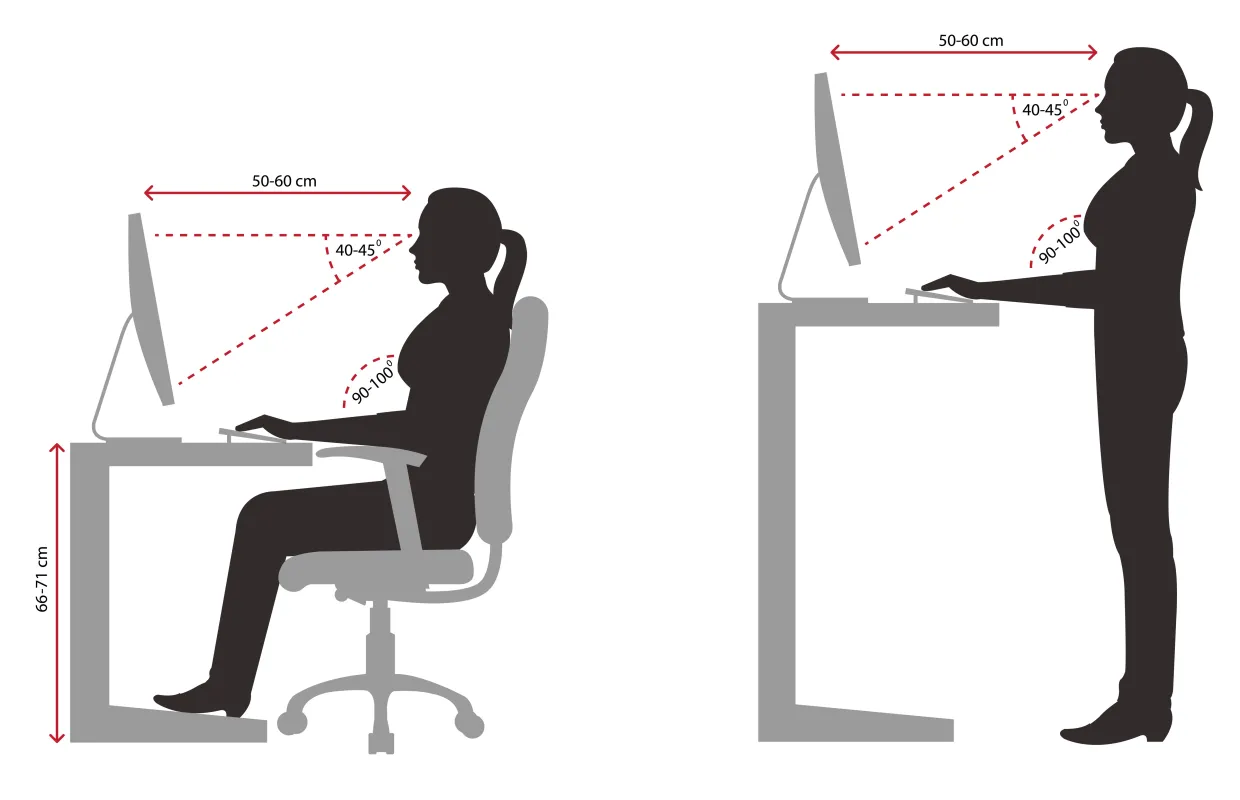
Understanding ergonomics is essential for creating a healthier workspace. Ergonomics, the science of designing and arranging workspaces to fit the individual needs of the workers, plays a critical role in preventing injuries and enhancing productivity. Key principles of ergonomics include proper workstation setup, suitable seating arrangements, and the appropriate height of desks and screens. For instance, ensuring that your computer screen is at eye level and that your chair offers adequate lumbar support can significantly reduce strain on your body.
Implementing ergonomic principles can lead to significant improvements in employee well-being and efficiency. Here are some fundamental guidelines to consider:
- Maintain a neutral wrist posture while typing to prevent repetitive strain injuries.
- Adjust your chair to allow your feet to rest flat on the ground.
- Take regular breaks to stretch and move around, helping to relieve tension.
By following these ergonomic practices, you can create a workspace that not only boosts productivity but also promotes a healthier lifestyle.
Counter-Strike is a highly popular first-person shooter game that pits two teams against each other: the terrorists and the counter-terrorists. Players engage in strategic gameplay, where teamwork and precision are essential for winning rounds. Whether you're looking to improve your skills or set up a comfortable gaming station, you might also want to check out the Top 10 Laptop Stands for Beds to enhance your gaming experience.
Top 10 Ergonomic Workspace Essentials for Enhanced Productivity
Creating an ergonomic workspace is essential for enhancing productivity, especially in today's fast-paced work environment. An effective ergonomic setup ensures comfort and minimizes the risk of strain and injury. Here are the Top 10 Ergonomic Workspace Essentials that can help you work efficiently without compromising your well-being:
- Ergonomic Chair: Invest in a chair that supports the natural curve of your spine and allows for adjustable height, armrests, and lumbar support.
- Adjustable Desk: A standing desk or one that can be adjusted to different heights enables you to switch between sitting and standing, promoting better posture.
- Monitor Stand: Position your computer monitor at eye level to reduce neck strain and ensure a comfortable viewing distance.
- Keyboard and Mouse: Use an ergonomic keyboard and mouse to minimize wrist strain and enhance overall hand positioning.
- Anti-Fatigue Mat: If you use a standing desk, an anti-fatigue mat can provide cushion and support, helping to reduce fatigue during long periods of standing.
In addition to the essentials listed above, consider incorporating the following items into your workspace for optimal functionality and comfort:
- Monitor Arm: A monitor arm allows for flexible placement and adjustment of your monitor, improving visibility and reducing clutter.
- Footrest: A footrest can help to improve posture by promoting proper alignment and reducing pressure on the lower back.
- Cable Management Solutions: Keeping cords organized not only declutters your workspace but also reduces distractions, enhancing focus.
- Desk Organizer: Use a desk organizer to keep essential items within reach, further decluttering and optimizing your workspace.
- Lighting: Good lighting is crucial; consider adjustable lamps or daylight bulbs to reduce eye strain and increase alertness.
How Does Ergonomics Impact Your Mood and Overall Well-being?
Ergonomics plays a crucial role in determining how comfortable and efficient our workspaces are, which directly influences our mood and overall well-being. By optimizing the design of work environments to suit individual needs, basic ergonomic principles can help reduce physical strain and discomfort. For instance, an ergonomic chair can provide substantial lumbar support, ensuring that your body is properly aligned during long hours of work. This not only enhances productivity but also fosters a more positive emotional state, as physical discomfort is a well-known mood killer. In fact, studies have shown that employees who work in ergonomically designed spaces report higher levels of satisfaction and lower stress levels.
Moreover, ergonomics can significantly impact mental well-being. When our workspace promotes good posture and reduces fatigue, it allows for improved focus and creativity. A clutter-free, well-organized workspace can alleviate anxiety and make it easier to concentrate on tasks at hand. Additionally, incorporating elements such as standing desks or adjustable monitors can encourage movement throughout the day, further enhancing mood and energy levels. By prioritizing ergonomic practices, individuals not only enhance their physical health but also cultivate a more positive mental state, leading to a more balanced and fulfilling lifestyle.